
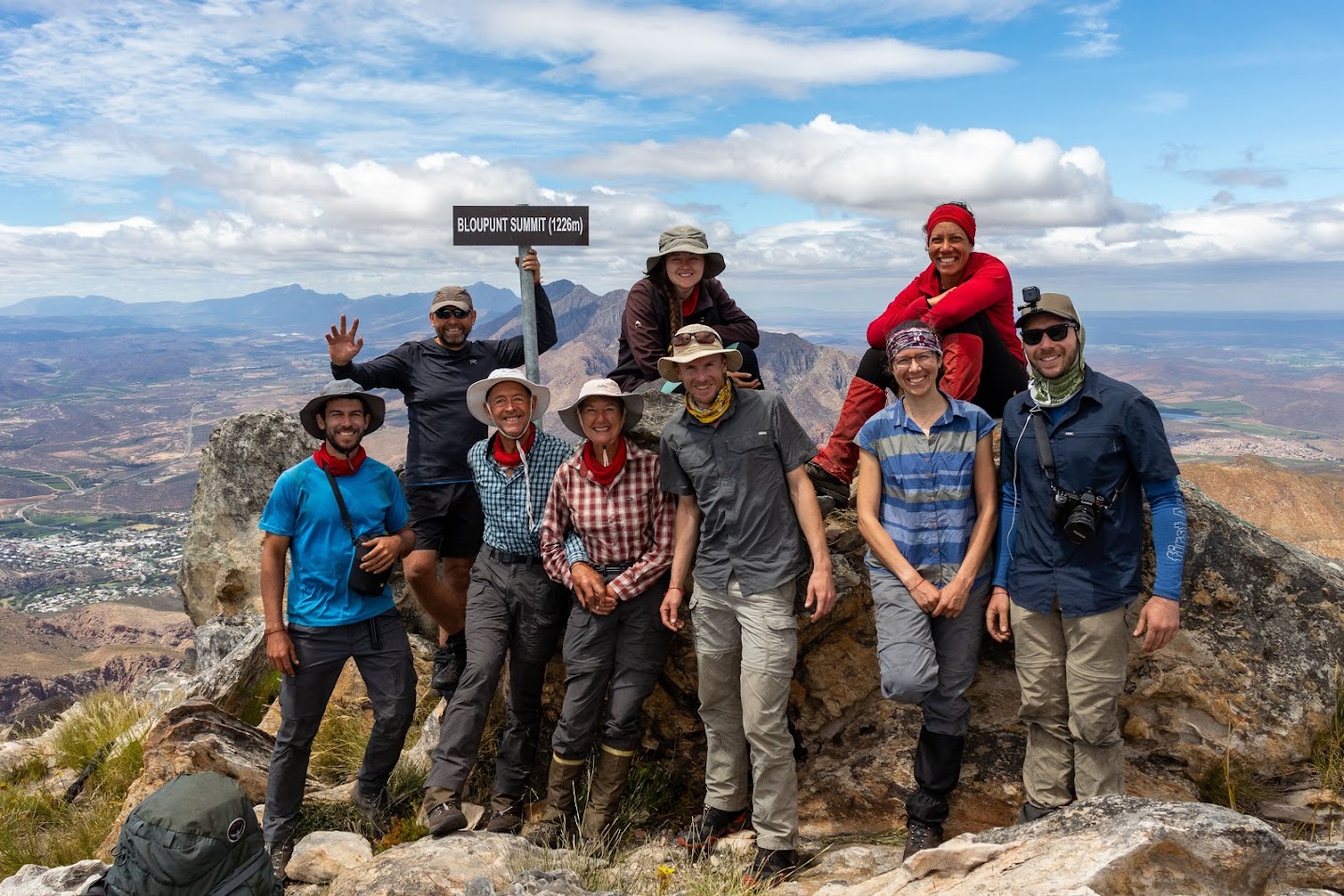
We have already covered essential overnight hiking equipment, now our focus shifts to our clothing. The critical layer between our soft skin and the occasionally hard and magical environment we walk through. On the High Mountain Traverses we walk in sun and sleet, your choices will influence your own enjoyment of the hike as well as the safety of the group. We want to keep our packs nice and light, that means taking a bare minimum of lightweight but warm items. The intention here is not to send you to the shops for an expensive piece of gear you might use 5 times a year, rather borrow from a friend or dig in the back of your cupboards. Also, thrift shops are where all the unused gear seems to end up.
In the interest of remembering all the bits, let’s take a top down approach:
- Headgear: A sunhat with a chin strap is the starting point here. Not to forget the Beanie & Buff combo. Most of the body heat you lose escapes through your head, makes sense to put these first on your list. Sunglasses will protect your eyes from glare and wind, they may also mess with your depth perception, but they do generally look really cool.

- Upper body wraps: Layers of clothing allow you to adjust for changing weather conditions. Generally we look for quick-drying, moisture-wicking and long-sleeved options. Nowadays there are plenty of tech options to choose from. If you prefer all-natural options then go for silk or wool, remember that cotton is slower to dry. Closest to the skin you want a thermal vest. Next is a collared shirt for extra sun-protection (minimize sunblock use to be kinder to the critters in the mountain streams). A puffer jacket goes on just before gloves when the sun sets and a rain jacket completes the shell. The raincoat is possibly the most important and expensive item of the list. It cuts the wind out of your core and keeps you dry (for a while). Ponchos may be a back up or emergency option but they do not handle in high winds. Take your favourite tee shirt along to feel a bit more human at times.
- Lower body: Nobody knows how many set of undies you need, that’s up to you! Again the quick-drying rule is worth keeping it mind. You must bring a pair of long johns / leggings, preferably thermal to wear under long trousers. The trousers protect you legs from the famously scratchy fynbos, and are helped by gaiters (long or short). Once again the final layer is about water, rain pants are essential to have, don’t believe the weather forecast. Try to get the ones that have generous zips up the side for easy on-off. In the tee-shirt line, a pair of light cotton shorts can feel like luxury after a hot day.
- Footgear: We ask a lot of our feet, especially when we are carrying an additional 20% of our body-weight. We are always hoping for a blister-free experience. That takes practice and knowing your gear. There is a lot to be said for a synthetic thin sock under a thicker woolen or mohair hiking sock. Two pairs of each is a good idea. What shoes to wear is an ever present question. Seeing as 80% of the Rim of Africa Traverse is off-trail we tend towards full-on boots versus trail running shoes. Whatever you choose, make sure you have worn them in well beforehand . If you’re planning to wear your trusty old boots, consider having their soles reglued if they have being sitting unused for a couple of years. If your boots fail (blisters/glue) then look to your lightweight camp shoes for salvation. Bring something you can walk in if you need to, or just for a change.
That’s it, where we think you needed more than one set we mentioned it above. Dressing for dinner isn’t about surprising your fellow hikers with a new outfit every evening. Having said which, the world has moved on from black and khaki. If you’re shopping and you get the chance, choose a colour that will match your intended mood.

If you’re just too grey there is a chance that your company will mistake you for a rock or a bush in the half-light.

What did we leave out, what just isn’t worth carrying? Drop your comments in the space below. Comments are moderated and you can remain anonymouse.

2 Responses
Brilliant article! Just got down from wild Drakensberg with windy and wet electric hailstorms for 3 of 5 days. Everything worked perfectly à la The blog advice! The benefit of two pairs socks is that the clean pair can be your bed socks for those of us with permanently cold night time tootsies. Thanks very much 🙌🏻👏🏻👏🏻
Helpful and thorough. Thank you for putting this info together